

The Local newsletter is your free, daily guide to life in Colorado. For locals, by locals.
I really should have worn a helmet. Twenty-four hours into my visit to Granby’s C Lazy U Ranch, I’m six feet in the air atop a black-and-white half-draft mare named Blossom.
I’d mounted gingerly, on my own trepidation and the advice of Ami Cullen, who oversees the 200-some horses that live on the ranch’s 8,500 acres. “They don’t know who you are,” Cullen says. “You want to introduce yourself with calmness, versus a lot of high energy.”
In rural northern Indiana, where I grew up, horses were used for farmwork and pulling buggies for the Amish, not rounding up ornery cows and climbing to majestic mesa tops. When I signed up for this three-night fall family getaway, I told my husband, Jordan, it would be a break from the hectic pace of our lives in Denver—a chance to unplug and introduce the kids to a classic Western tradition. Secretly, though, I had visions of myself in boots, a button-down, and a hat I do not own riding through the scrub brush, the picture of a confident Colorado cowgirl.
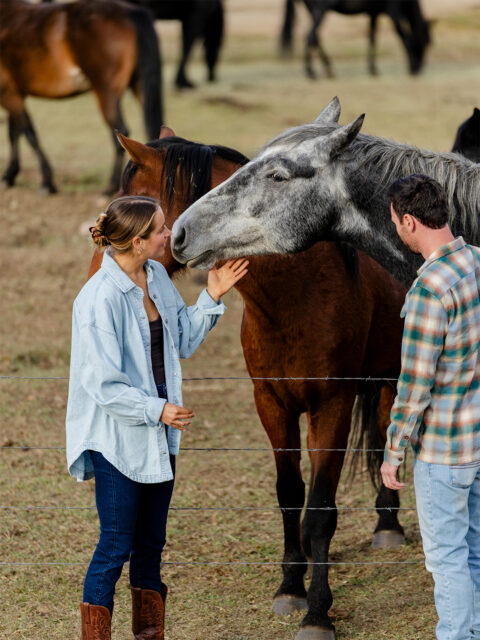
As it turns out, it takes more than a great outfit to impress a 1,400-pound animal. Now, I’m feeling silly, and a little scared, as I try to remember Cullen’s instructions for asking our horses to turn right. (Was it pressure with the same or the opposite heel?) Sensing my hesitation, Blossom decides to take us to the water tank for a drink while we wait for our group of a half-dozen riders to settle into their saddles.
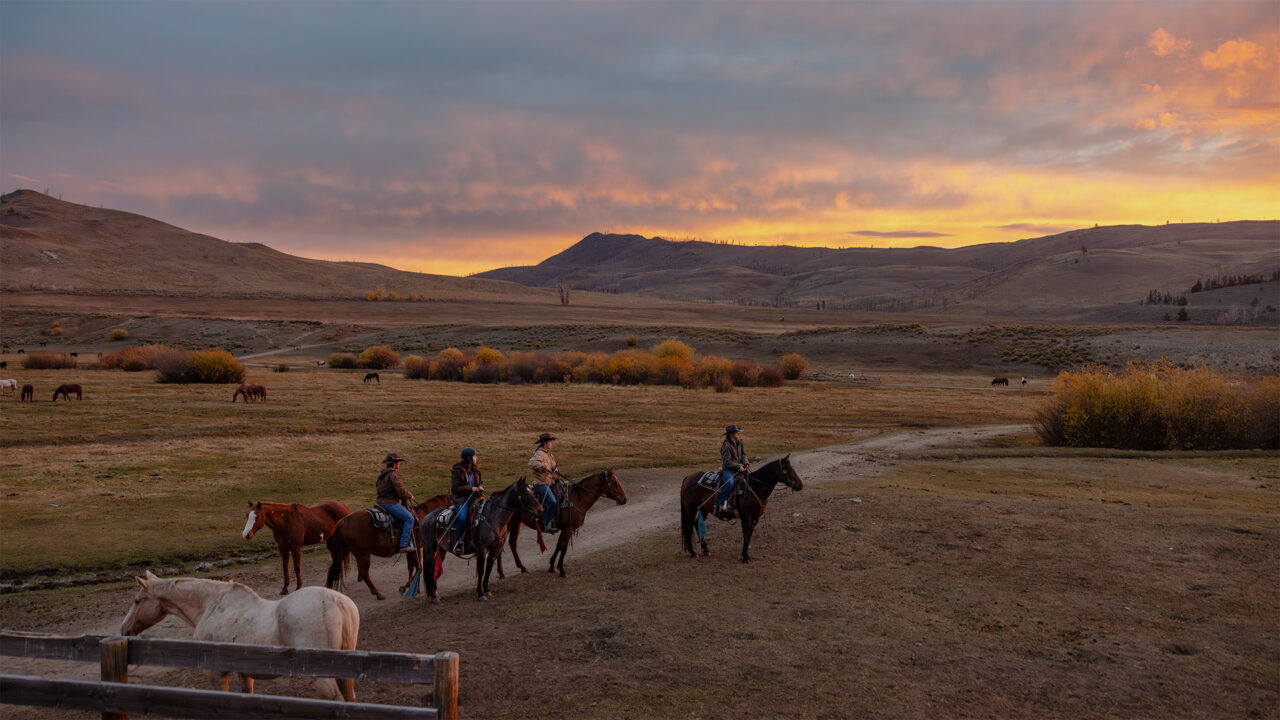
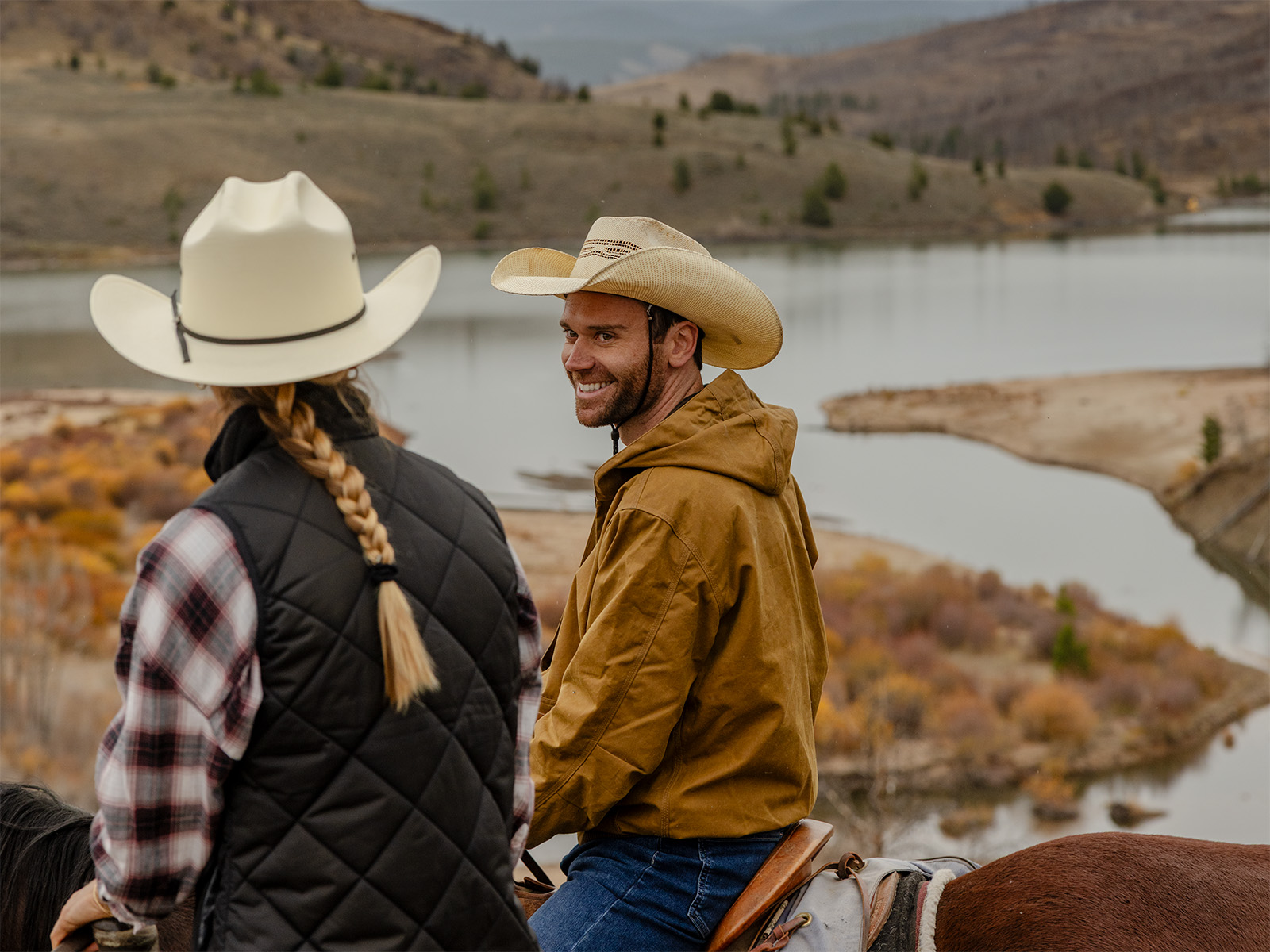
Flanked by a couple of wranglers, we head into a wide meadow whose grasses have turned umber and ochre by this late October day. Blossom, blessedly, follows the horse in front of us without much intervention from me. But as we begin to climb a ridge, a group of pronghorn spring from the underbrush maybe 100 yards away, startling me and sending Blossom and a few other horses into a brief trot. We quickly rein them in, but the taste of a faster gait is exhilarating, and I find myself grinning.
This is the only ride I have planned during our short trip, but Cullen says guests who stay longer can progress to loping, maneuvering through trail obstacles, and even sorting cattle. “We try to teach people how to ride properly,” Cullen says. “The more you start to understand how the horse moves…then you start to understand what your body’s doing to influence the horse.”
On a mesa overlooking the ranch, I’m able to maneuver Blossom into position for a prime photo op, and when we get back to the staging area, I use my reins and a gentle squeeze to take her to the water tank. By the time I swing my leg over the saddle and complete a sliding dismount, I’m starting to think I should have bought that cowboy hat after all.
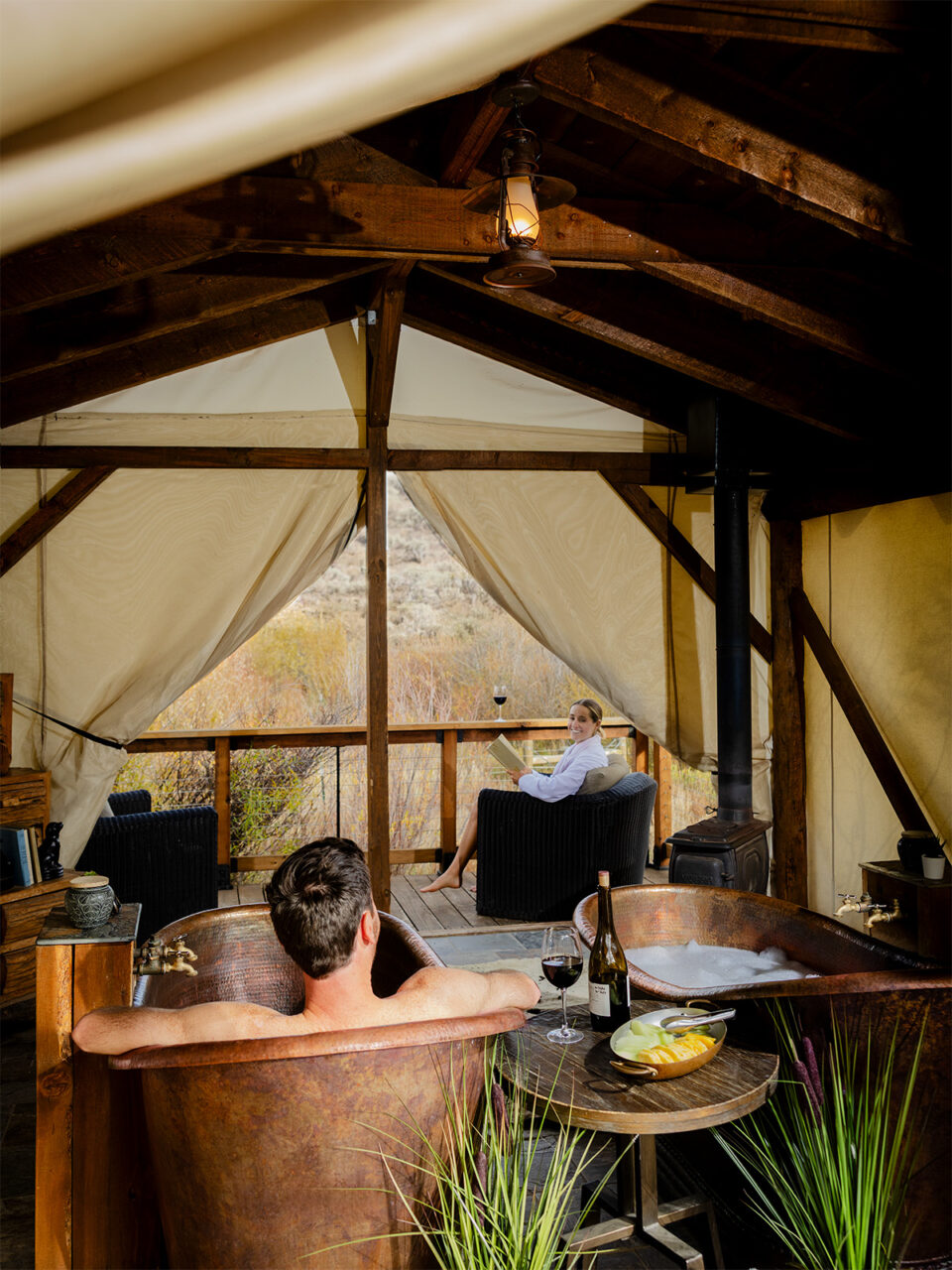
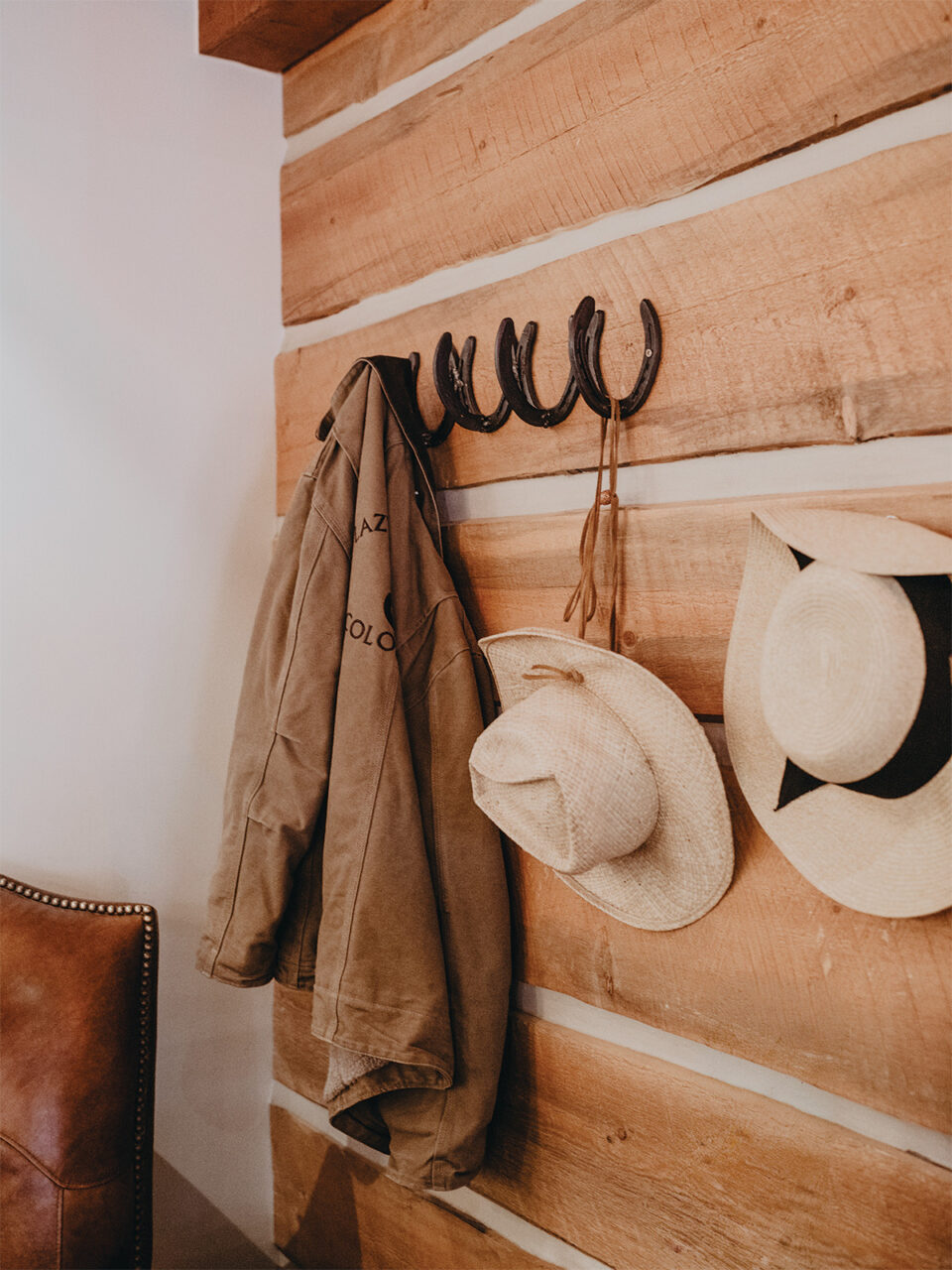
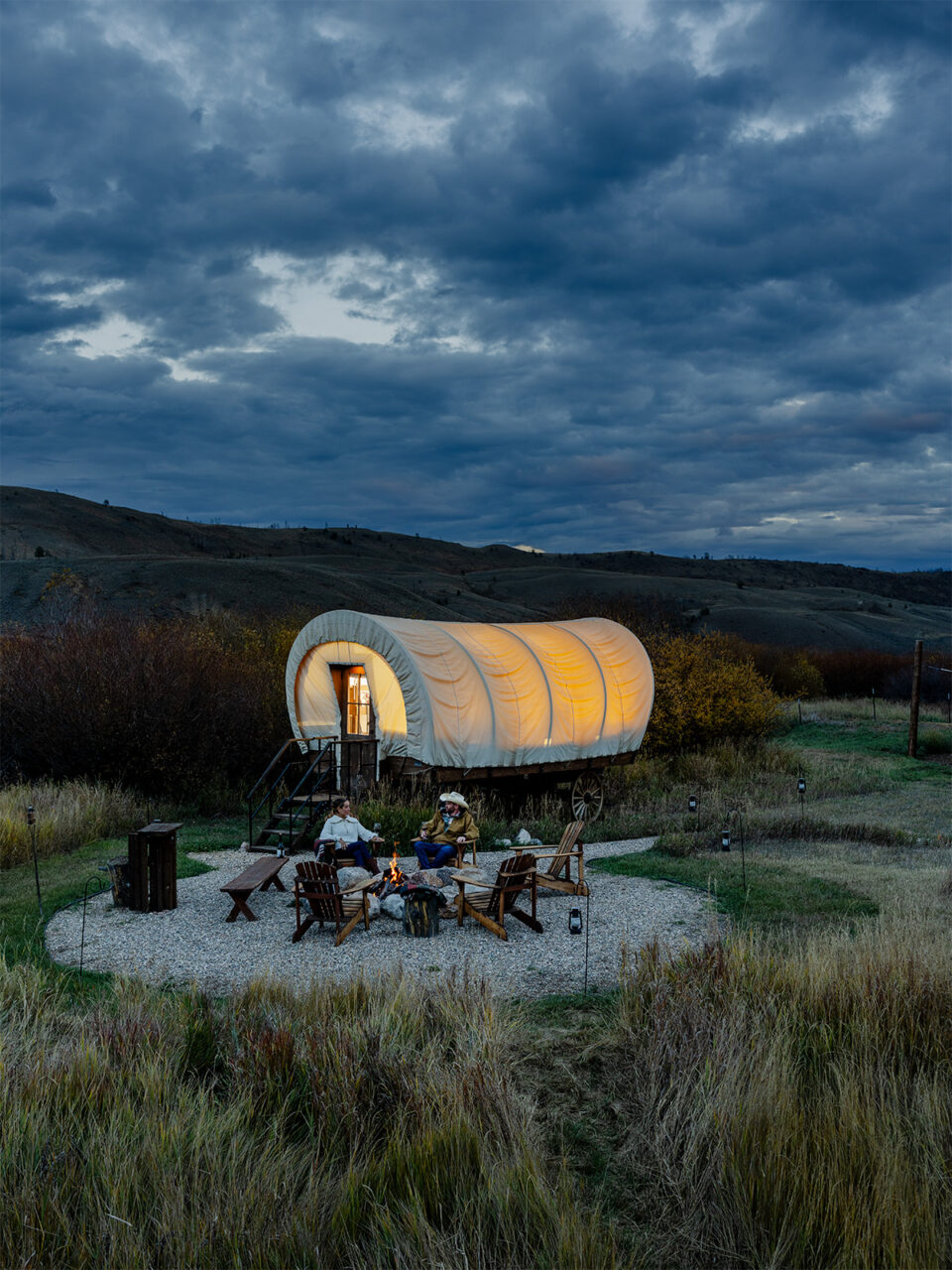
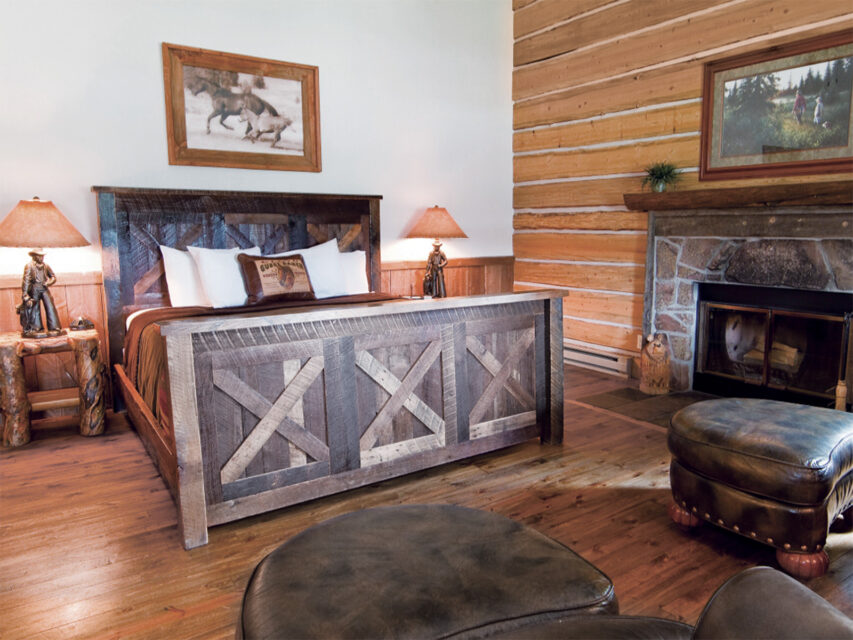
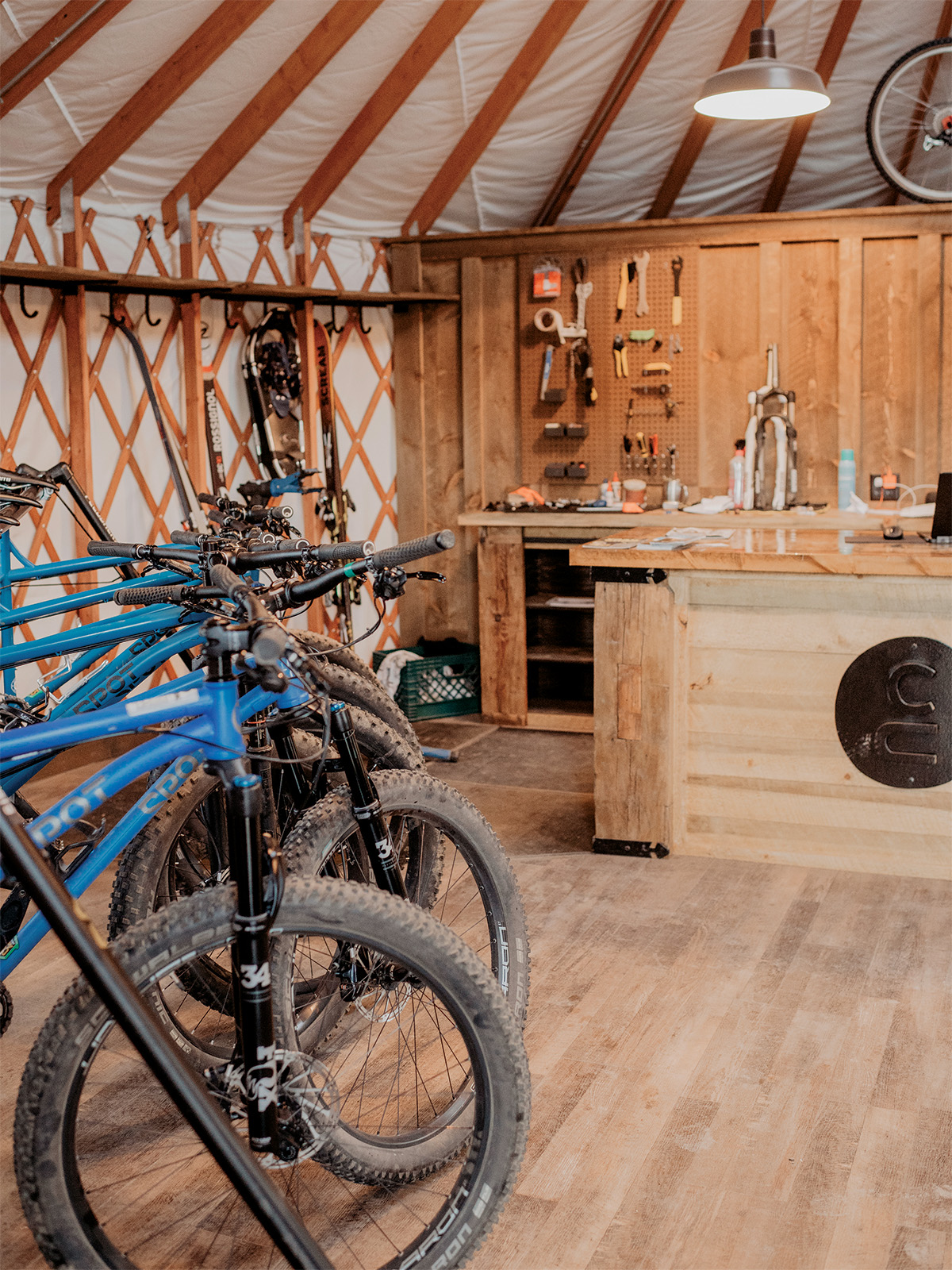
To be clear, C Lazy U is no one’s idea of the rough-and-tumble Wild West. Tucked into a valley north of Winter Park, the ranch headquarters comprise more than a dozen one- to four-bedroom cabins that look rustic but feel lavish and together can hold up to 115 guests; a main lodge with a dining room and bar; a fishing pond; tennis and pickleball courts; a yurt filled with mountain bikes; a zip line and ropes course; and a donkey barn turned mercantile with C Lazy U merch. The on-site spa’s collection of canvas-tent treatment rooms are perched along Willow Creek (two are actually suspended over the water, with glass floors).
At the center of it all is the Patio House, which hosts a check-in desk, a game room and kids club, a fitness center, a sand-filled playground, and a pool and two family hot tubs. Since July 2024, there’s also a wood-clad adults-only retreat called the Lazy You Hideaway with a hot tub, sauna, fire pit, and two cold plunge tubs.
Still, more than 100 years of hosting guests seems to have imbued C Lazy U with a laid-back vibe that belies its luxury trappings. My four-year-old, Oscar, and I had arrived on a Thursday evening with just enough time before dinner to check into our cabin and freshen up after the two-hour drive from Denver. (Jordan will come up with our two-year-old daughter, Cora, after work the next day.) We mosey over to the main lodge and find the dining room on the second floor. With picture windows that frame a bucolic view of the pasture where the horses will spend the night, it has a warm, comfortable elegance. Most of its long wooden tables are already half-full, so I lead Oscar to a table with a girl who looks about his age.
Her parents introduce themselves and encourage us to take the open chairs. They’re from Alabama, but they already know the table’s other occupants, a middle-aged woman with two preteens who live in Boulder: They got snowed in together at C Lazy U during a family weekend the previous winter.
Later, I find out this isn’t all that unusual, especially in the summers, when weeklong stays are required and 50 to 60 percent of guests are repeat visitors, many coming back to the same cabin, on the same week, year after year. “That’s because people connect with other families,” general manager Jeremy Belnap says, adding that the ranch’s current owners (who prefer to be called stewards and have put nearly 3,000 acres of the ranch into a conservation easement) lived within 400 yards of one another in Denver but met at C Lazy U as guests in the ’90s before buying the property in 2008. “There’s an atmosphere on ranch where it’s not forced. We have large dining room tables; we serve family-style meals. It’s just a natural way of life for us.”
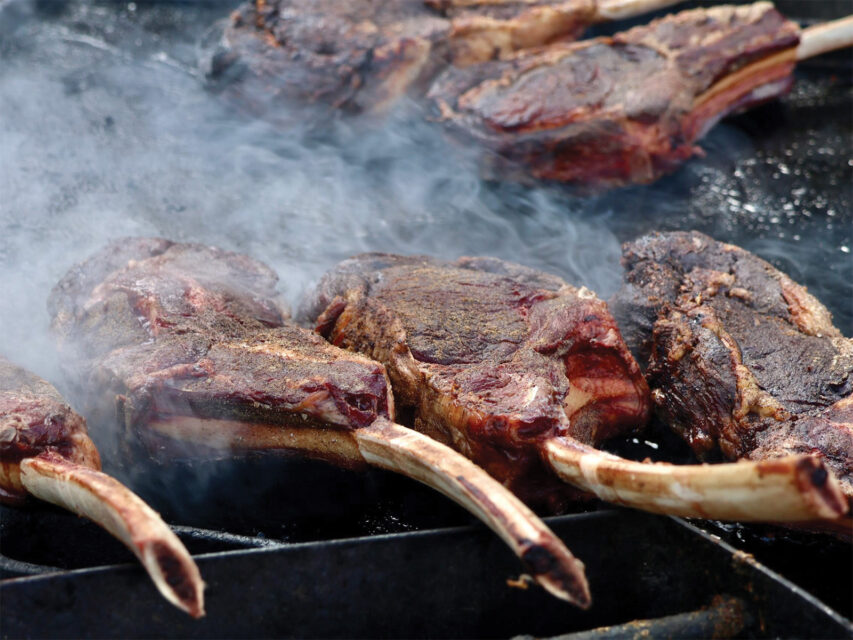
As dinner progresses and we pass dishes around—first, freshly baked Parker House rolls and kid-friendly chicken nuggets and buttered noodles, followed by a colorful salad, a wild game ragu that’s the best pasta dish I’ve had anywhere in months, and pork chops over a sweet potato purée—it starts to feel natural to me, too. By the time brownies topped with whipped cream and caramel come out, we’ve moved on from “Where are you from?” and “What do you do?” to “What adventures do you have planned for tomorrow?”
The Alabama couple is going on a guided fly-fishing excursion; the Boulder folks will be on my trail ride. Oscar and Liz, who informs us she’s five, agree to meet at Little Ranch Hands, C Lazy U’s program for kids three to five. A mustachioed wrangler comes by our table to warn us all not to miss the morning jingle, a daily tradition in which the horses are driven in from the pasture.
On the walk back to our cabin, Oscar spies s’mores fixin’s set up by the fire pit in front of the main lodge, and I don’t object to stopping, even though it’s already past his bedtime. We roast marshmallows, point out constellations, and talk about what wildlife might be stirring in the darkness beyond our view. He looks so at ease—a tiny 10-gallon on his head and his boots, borrowed from the ranch’s loaner collection, propped up on the stone wall containing the flames—I have to snap a picture. Later, as I drift off in an impossibly fluffy king bed, I realize that was the only time all night I’d pulled out my phone.
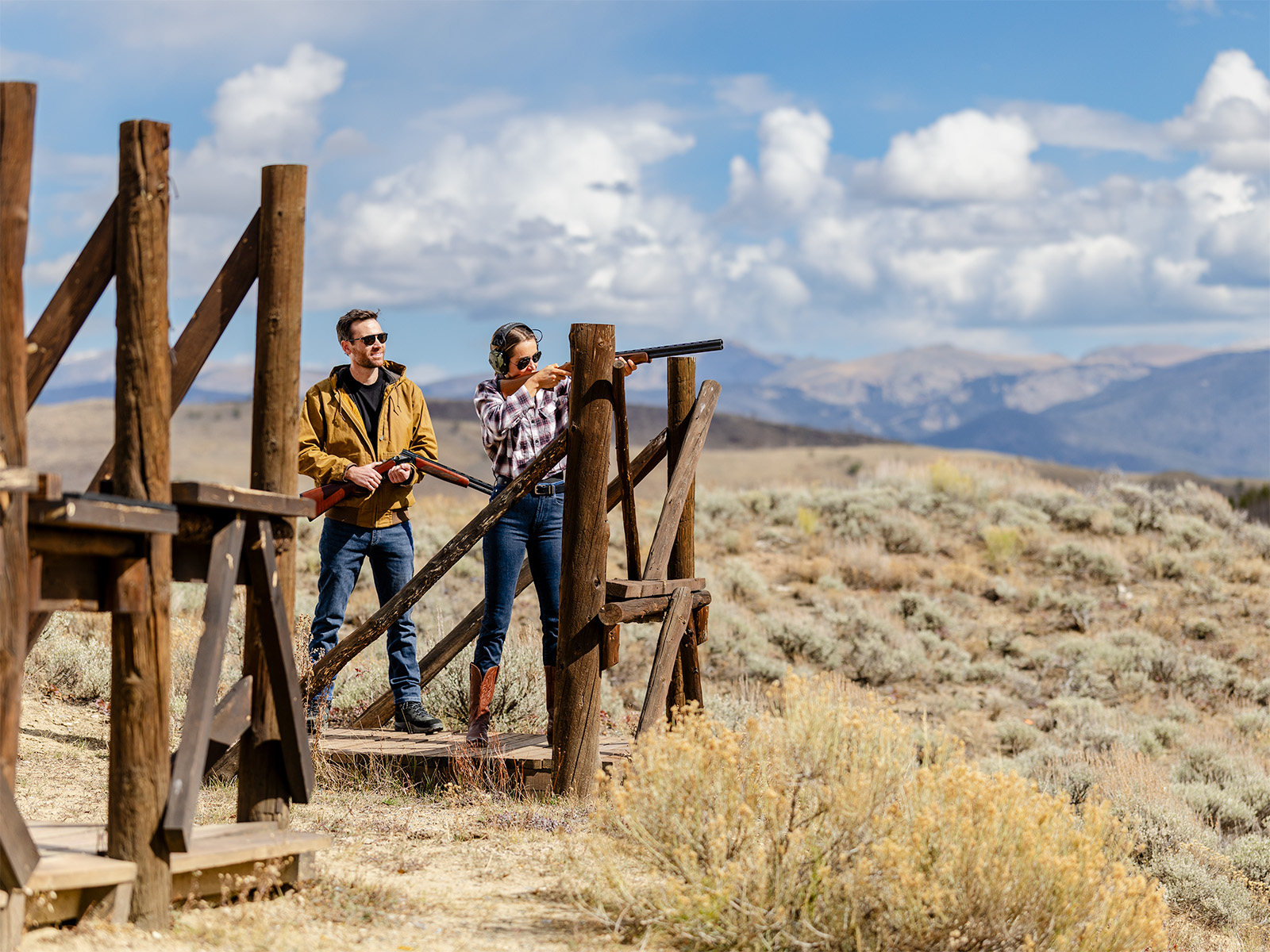
On Friday morning, Oscar and I had groomed horses, shot BB guns and bows and arrows, and thrown hatchets; after my trail ride, we switched over to mountain bike saddles and pedaled the dirt loop around the fishing pond until Jordan and Cora arrived. So it’s not surprising that by the time the grown-up food comes at dinner that night, Oscar is passed out in my lap.
We give up on dessert, let alone the live music happening later in the bar, and say good night to our tablemates. Noticing us packing up, one of the Western-shirt-clad servers asks which cabin we’re in. Fifteen minutes later, as we’re building a crackling fire and running a bath for the kids, takeout boxes of cookies and warm, crisp blueberry cobbler appear on our doorstep.
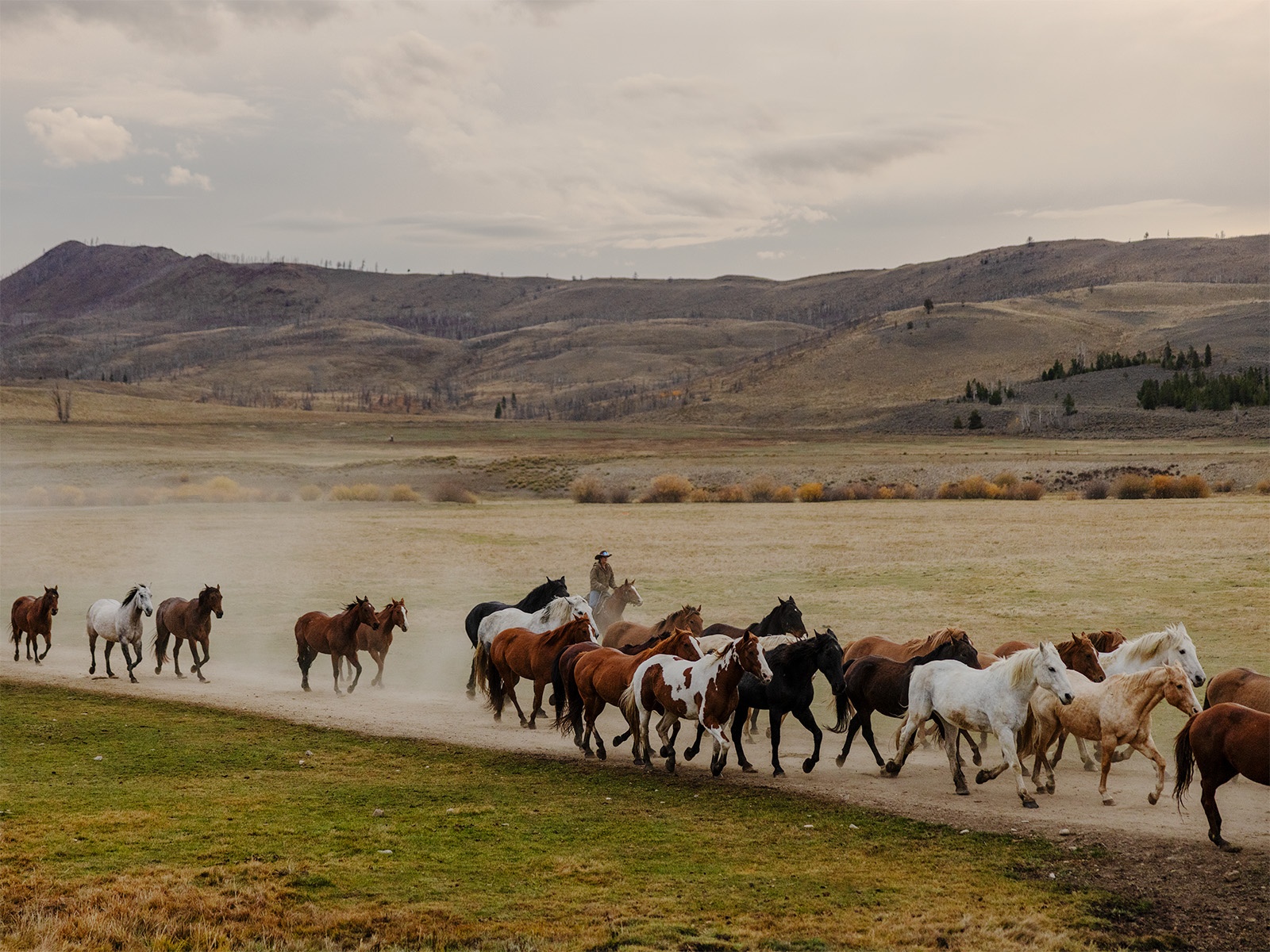
The next day, we hustle through a hot, much-better-than-continental buffet breakfast and fix to-go coffees to take to the jingle. It’s chilly and gray, but the sight of 200 horses—Appaloosas, bays, sorrels, blue and red roans, paints, dapple greys—running by just a few feet in front of us is worth standing outside in any weather.
I’m feeling less rewarded for our fortitude by the hayride an hour later. The kids have finished their hot cocoa and are starting to squirm, and clouds are obscuring what would normally be beautiful views of the Continental Divide. Then the tractor stops near an overlook of a reservoir, and we unload to find the ranch donkeys, Tilly and Wilbur, waiting for Oscar and Cora to give them pets and hugs. (They’re supposed to protect the herd from predators, a ranch hand tells us, but often sneak out to feast on forbidden hay stashes overnight.)
I ask Belnap about these moments of intuitive hospitality: the thoughtfulness of the dessert delivery, the experience-saving appearance of the donkeys. “I’ve called it the plus one: When someone asks for something, it’s like, ‘Great, do that, plus one,’ ” he says. “What else can you do to personalize, to make them feel special?”
Unlike many dude ranches, C Lazy U operates year-round, shifting from the typical weeklong, family-focused model in summer to shorter offseason stays like team-building retreats for corporate groups, adults-only and family weekends, and horsemanship clinics. While it’s not lucrative (“Our goal in the winter is to lose less money,” Belnap says), it allows the ranch to keep key full-time staff like director of equestrian operations Cullen, the chef de cuisine, and the children’s program director rather than having to rehire and retrain everyone annually. “We want to retain the folks that carry the brand, the DNA of the ranch, from one generation to the next, one season to the next,” Belnap says.
After our hayride, we’re walking toward the barn for another grooming session when Oscar sees Liz heading to the kids club. “Can I go with them instead?” he asks, confidently scampering off when I say yes.
C Lazy U may not have transformed me into Annie Oakley, but I realize that our time away from the city has given my son a taste of a classic cowboy trait: independence. “On the ranch, kids are learning, growing, being challenged by nature, challenged by horses,” Belnap says. “They’re running around and having fun, making friends, socializing, and by the time they get back to Mom and Dad, they’ve got so many stories to tell.”
Sure enough, during our final dinner that night, Oscar and Liz regale us with meandering little-kid accounts of their adventures: pony rides, horseshoe decorating, jaunts on a cart pulled by one of the donkeys, a trip in a Ranger to a stash of animal bones the staff has collected across the ranch. Before we leave on Sunday, Oscar is sad to say goodbye to Liz and the Little Ranch Hands staff—and his boots. “Mom,” he says, “can we come back?” I think we just might.
Prices start at $830 per person, per night for weeklong summer stays; price includes meals (but not alcohol), kids programs, and most activities; offseason nightly rates start at $545 for adults and $364 for kids.
4 More Must-Visit Colorado Dude Ranches
1. Rawah Ranch
- Where: Glendevey
- When: June through early October
- Price: $850 per night for adults, $635 per night for kids ages four to 16, three and under free; inclusive of food, cocktail hour and two alcoholic beverages each night, kids program, and most activities; three-night minimum stay
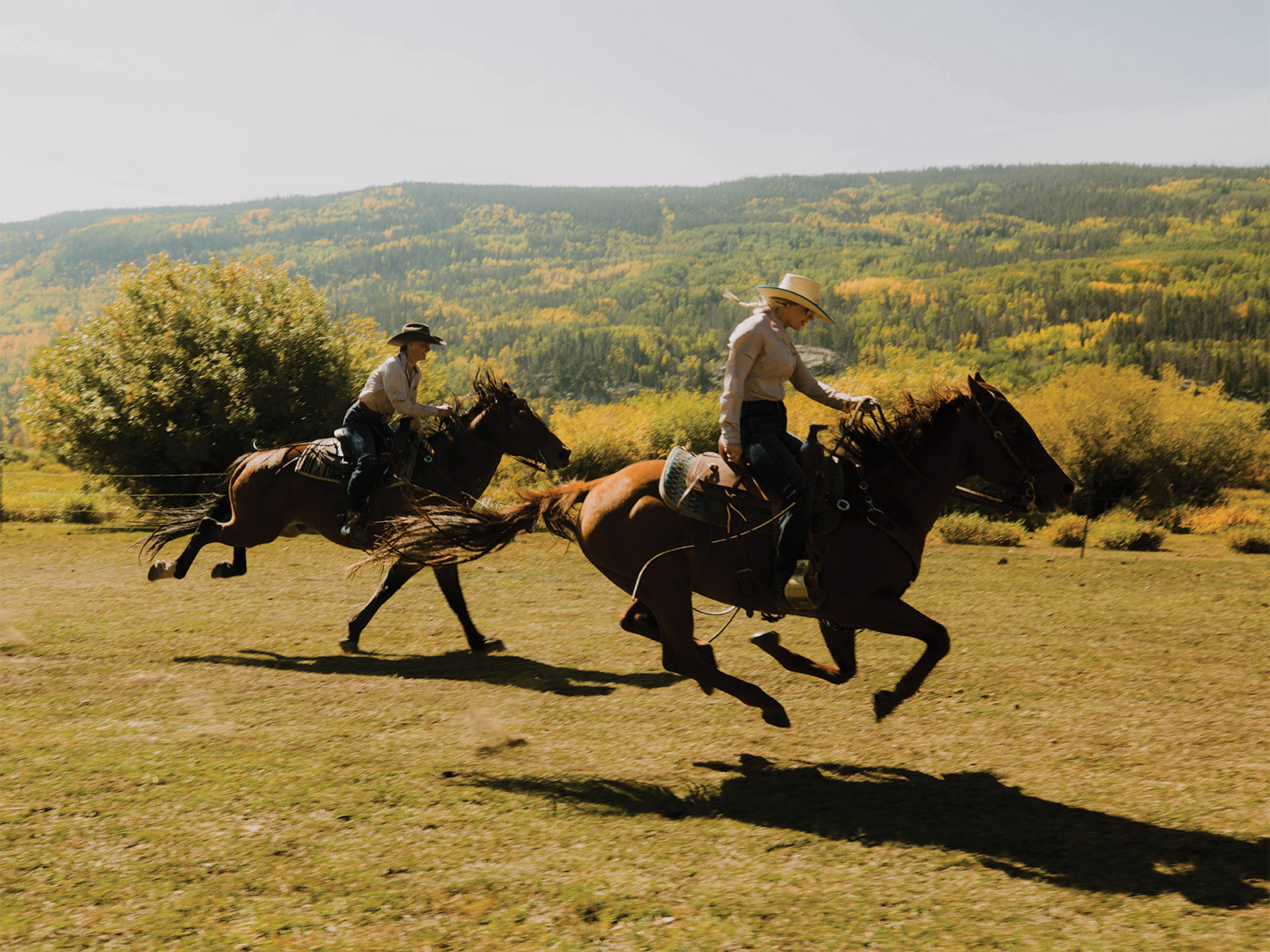
At this remote northern Colorado ranch, nestled in its namesake wilderness area, it’s not uncommon to find mountain lion tracks, come upon a moose drinking from the Laramie River, or even hear wolves howling. And you won’t be sharing space with many other humans, either; Rawah’s nine cozy cabins rarely host more than 30 guests at a time.
Still, it’s enough folks to make the evening programming—cowboy poetry, telescope-assisted stargazing sessions led by a local astronomer, square dancing under twinkly lights on an outdoor stage—a good time. During the day, the children’s program introduces budding cowpokes to age-appropriate Western fun, like nature walks, horse grooming, fishing lessons, and trail rides. Grown-ups can choose from a slate of included adventures: horseback journeys to nearly two dozen alpine lakes, loping lessons in the arena, guided group angling, skeet shooting, archery.
A favorite tradition at Rawah, which has been a guest ranch since 1948 but was purchased by the current owners in 2006, is cowboy breakfast: Guests hike or ride to a riverside setup, where the chef cooks bourbon maple bacon over an open fire. In the language of the Ute Indians who once inhabited the area, Rawah means “abundance”—and it’s abundantly clear why this ranch is a top choice for true outdoorsmen and equestrians (and those who aspire to be).
2. Smith Fork Ranch
- Where: Crawford
- When: May through October
- Price: Starting at $35,000 per night for up to 30 guests, all-inclusive; five-night minimum stay in the summer and three-night minimum in the fall
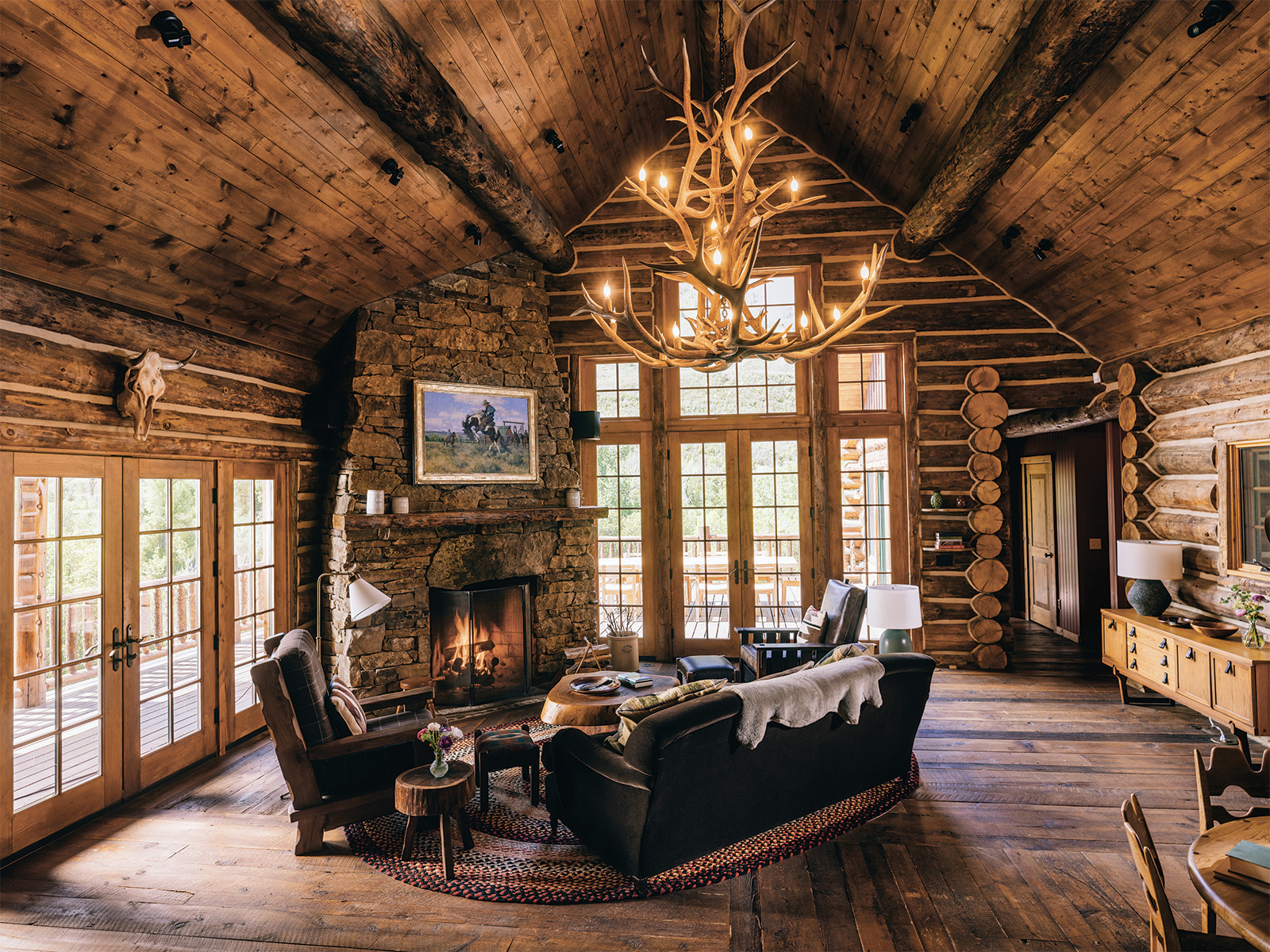
Staying at Smith Fork feels like inheriting a luxurious Colorado homestead. Set on 240 remote acres on the Western Slope, the property operated as a dude ranch from 1928 to the 1960s. After decades in disrepair, it was reimagined in 2000 as a high-end, all-inclusive guest ranch.
Now, new owners have ushered in Smith Fork’s most exclusive chapter yet: In 2022, the ranch switched to an exclusive-use model where every detail of a trip is customized for up to 30 guests. Seventeen suites are sprinkled across six accommodations, all recently refreshed by LA-based design firm Commune. The largest, crafted from fieldstone and logs, is Marley’s Lodge, with six bedrooms, five bathrooms, a gym, a chef’s kitchen, a wine cellar, and loads of hang space. Four-bedroom Ferrier Lodge has a charming wraparound porch, while three-bedroom River House is tucked in a stand of cottonwoods on the bank above the Smith Fork River. And three original one- and two-bedroom cabins feature gas stoves, Smeg mini-fridges, and antique Western furnishings.
Last year, the team added an open-air yoga deck at the highest point of the ranch and an indoor-outdoor activity lodge and dock on a private pond. This season, a riverside spa camp will make its debut. Guests can choose from a roster of recreational experiences, including overnight pack trips in the nearby Gunnison National Forest, Gold Medal float-fishing excursions through the Gunnison Gorge, riverside cookouts, and dark sky astronomy workshops. But that’s just for starters: If you can dream it, the Smith Fork staff can bring in Colorado-based artists and experts to make it come true. —Jen Murphy
3. Rainbow Trout Ranch
- Where: Antonito
- When: Memorial Day Weekend to the third week of September
- Price: For six-night (Sunday to Saturday) stays, $3,600 per adult, $3,400 for kids ages 12 to 17, $3,200 for six to 11, $3,000 for three to five, $300 for two and under; inclusive of food, kids program, and most activities (including guided fly-fishing); Rainbow Trout doesn’t have a liquor license, but you can bring your own alcohol
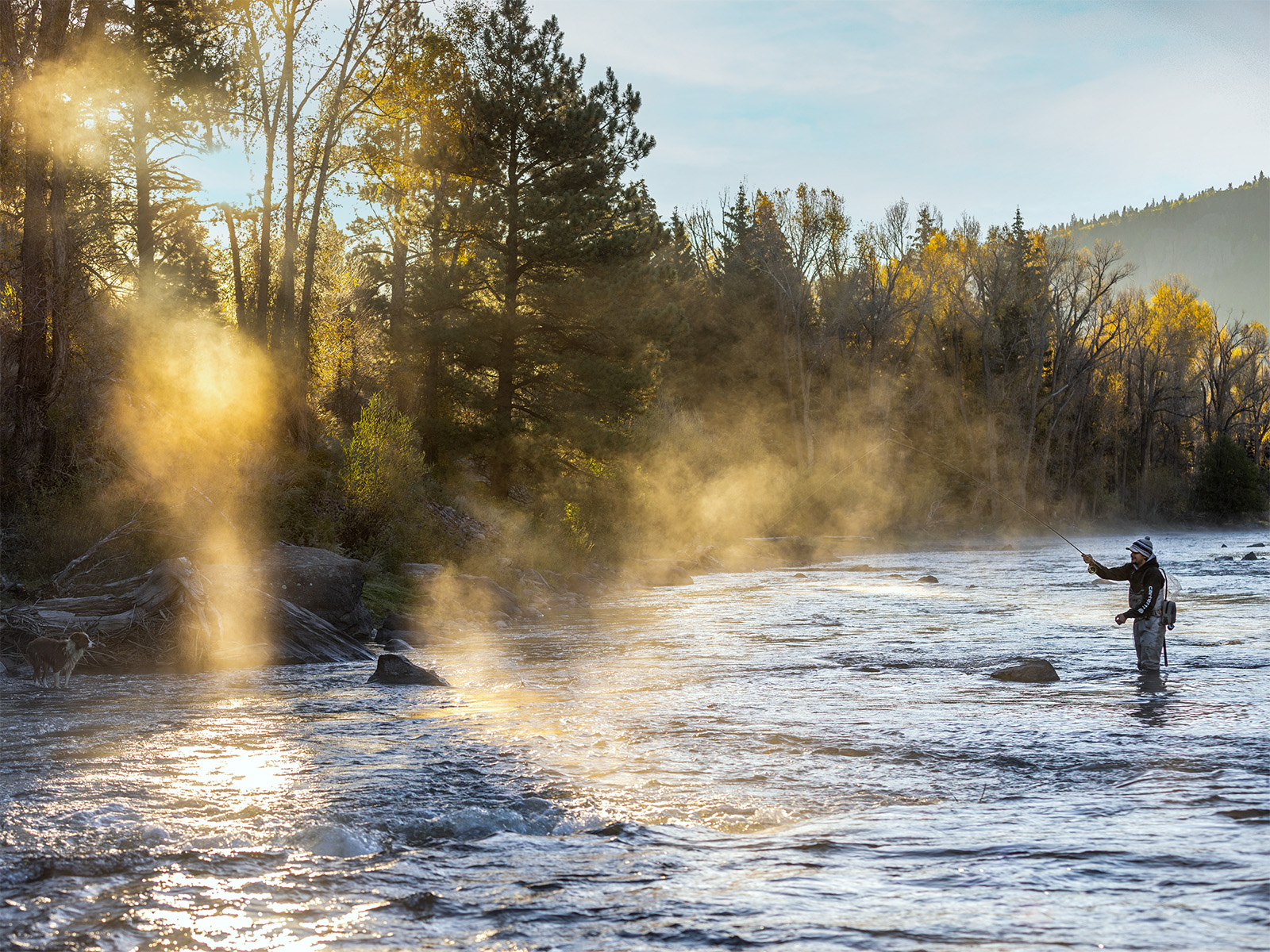
Most dude ranches say they want guests to feel like they’re part of the family, but the sentiment gets pretty literal at southern Colorado’s Rainbow Trout Ranch. On Sunday evenings, members of the Van Berkum clan personally check folks into 16 quaint guest cabins: Linda and Doug Van Berkum purchased the property in 1992, and their children and grandchildren, most of whom grew up spending summers on the ranch, now run day-to-day operations. Originally a fishing lodge, Rainbow Trout turns 100 this year, and true to its legacy, it has five angling guides on staff to help visitors cast for its namesake fish on 1.5 private miles of the Conejos River.
But the second and third generations’ childhood experiences also inform a beloved kids program that teaches horsemanship (children six and older get their own horse for the week) and casting basics. The best thing, particularly for screen-obsessed teens, might be what Rainbow Trout lacks—cell service and Wi-Fi (with the exception of the main lodge). And parents even get a date night: Amid an evening entertainment lineup that includes a John Denver tribute singer and a talent show, there’s one fancy plated dinner for grown-ups to enjoy while the kids roast hot dogs elsewhere.
4. Tumbling River Ranch
- Where: Grant
- When: Year-round
- Price: Nightly rates—inclusive of food, alcohol, and some activities—start at $1,180 in the summer (three-, four-, or seven-night options) and $840 in the winter for double occupancy; an added nightly charge of $250 (adults) and $150 (children) per additional guest applies
Unlike at most dude ranches, trail rides are not included in Tumbling River Ranch’s per-night price. But if you’re interested in everything that comes with the traditional experience—communal meals, cowboy campfires, guided outdoor adventures, Western-themed evening entertainment—except horseback riding, why pay for it? Just a little more than an hour from Denver, Tumbling River helps city slickers get out of the grind and onto ranch time.
The 1946 Western resort, just off U.S. 285, reopened in February following an $8 million overhaul that brought modern design touches to all 21 guest rooms and cabins. From the outside, the buildings still look plucked from a John Wayne film, but within you’ll find ornate bathrooms dressed in zellige tile, cozy living rooms filled with custom furniture, and vintage pieces from the property’s past sprinkled throughout. The lodge, where guests enjoy memorable, fire-cooked meals by chef Alex Calderón, received the most extensive update. The splendor of the Twin Cone Peaks spills into the dining room through massive picture windows, and a telescope on the first floor invites visitors to take advantage of the area’s inky black skies.
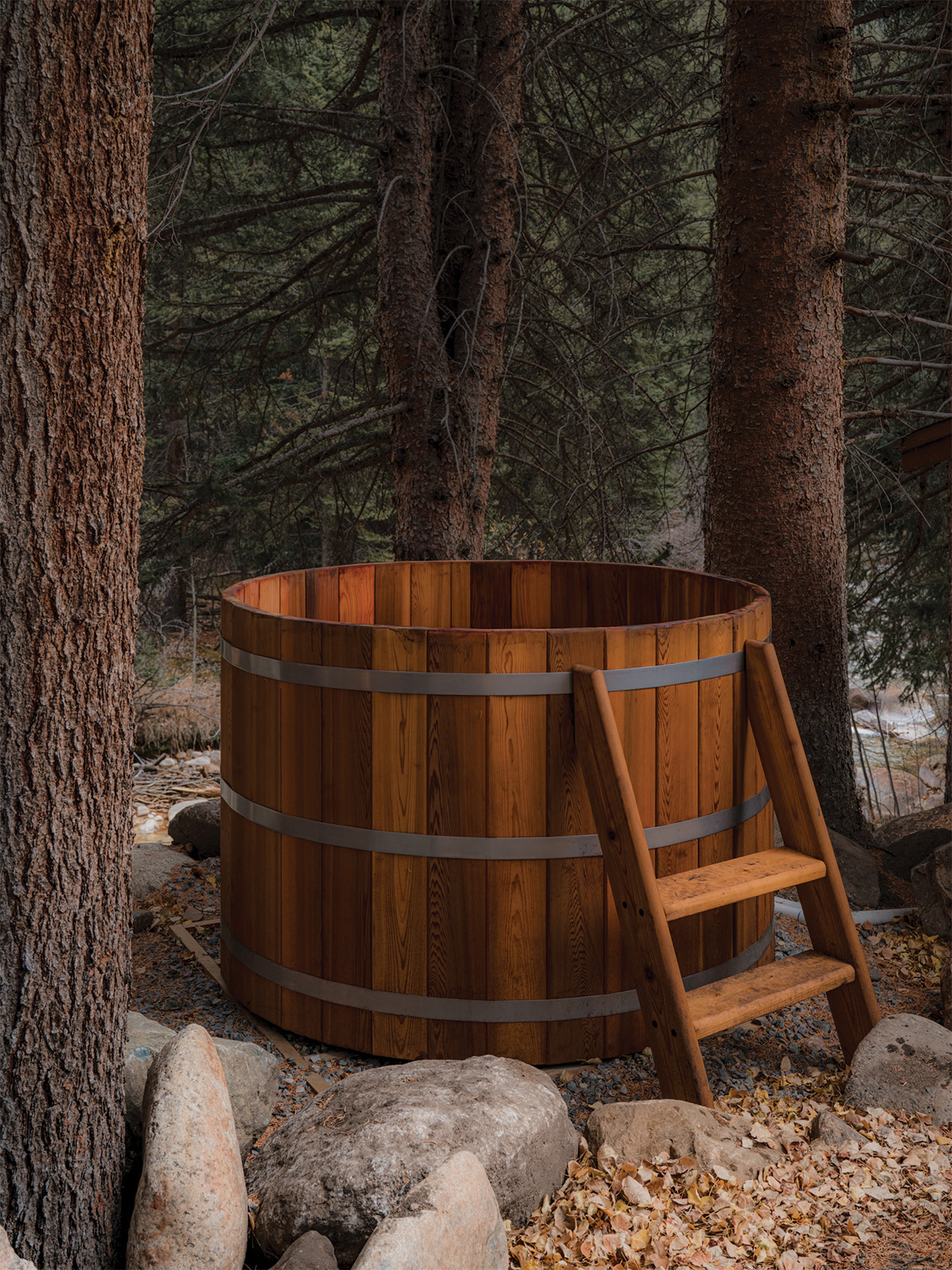
Should you decide to mount one of the ranch’s steeds for an extra fee, you’ll be able to soak away your saddle soreness in the wellness area. It includes four creekside cedar hot tubs, a wooden barrel sauna for contrast therapy, and a recovery room for spa treatments. —Jessica Giles
Read More: This Restored Colorado Dude Ranch Might Turn You Into a People Person