



The Local newsletter is your free, daily guide to life in Colorado. For locals, by locals.
In my opinion, it’s always a good time for wine. However, there is a season for wine tasting, and it has arrived. Spring is a lovely time to tour the Western Slope, with temperatures hovering in the mid-70s (compared to July’s mid-90s), the orchards in bloom, and winery tasting rooms reopening after taking winter off.
And, luckily for us, Colorado’s varietals have been rising in recognition. Food & Wine calls Colorado the new Sonoma, Decanter says Colorado’s wine industry is “a study in superlatives,” and this year, Colorado wines didn’t just medal at the San Francisco Chronicle Wine Competition, they cleaned up, signaling a shift to a more respected AVA (American viticultural area).
Jump Ahead:
- Aquila Cellars
- Carboy Winery
- The Ordinary Fellow
- Peachfork Orchards & Vineyard
- Qutori Wines
- Sauvage Spectrum
- The Storm Cellar
- Talon Wine Brands
How To Explore Colorado’s Western Slope Wineries
Get Around Colorado Wine Country Without Driving
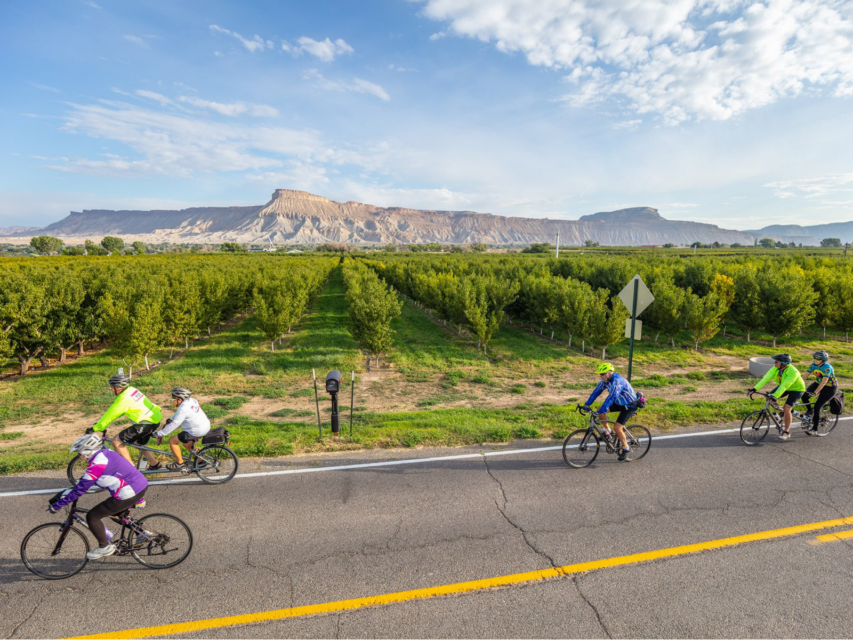
Tours are one of the easiest ways to experience Colorado’s Western Slope wineries without stressing about logistics (or appointing a designated driver). For a chauffeured winery tour, contact A Touch with Class (starting at $90/hour).
Cycling between vineyards is also popular, thanks to the region’s compact layout. The Palisade Fruit & Wine Byway features three bike-friendly routes—affectionately known as the Fruit Loops—that connect more than 25 wineries, tasting rooms, and vineyards.
If you’d rather let someone else do the pedaling, Palisade Pedicab offers bicycle-cart tours for groups of two to four (starting at $120/1.5 hours).
For a more adventurous tasting experience, skip the roads entirely. Pali-Tours runs a Palisade Water to Wine service (starting at $145/person) that pairs a float down the Colorado River with tastings at three Palisade wineries capping the day. (Note: Current drought levels have this operation temporarily suspended, but a rain dance never hurt.) Owner Dave Smith creates custom itineraries (on and off the river) for groups based on their preferences. You can also rent paddleboards or kayaks (starting at $40) from Palisade Cycle & Shuttle to chart your own route between vineyards (call to book as water levels are currently low and availability fluctuates).
Where To Stay Near Palisade Wineries
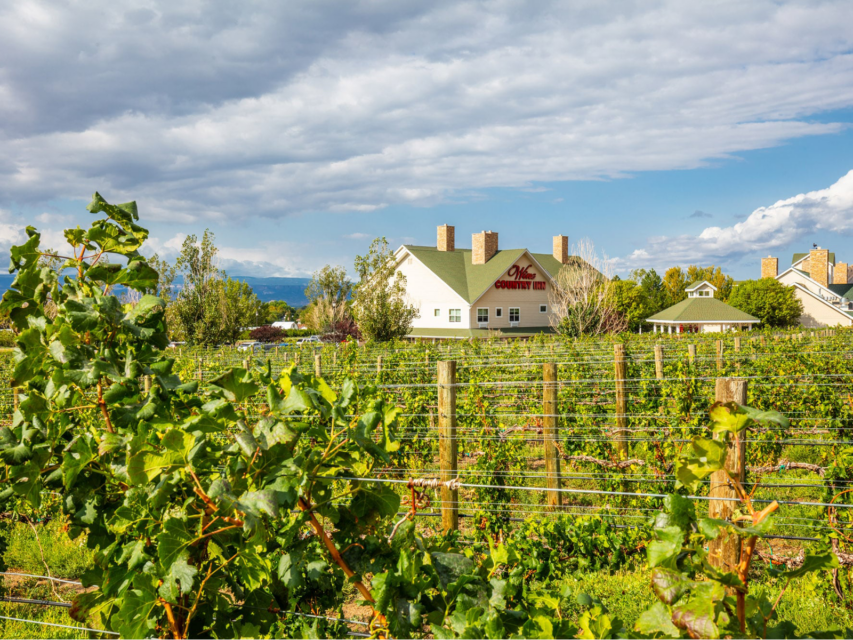
The Western Slope hasn’t experienced the same hotel boom as Colorado’s mountain towns, but that’s part of the charm. Accommodations here skew cozy: vineyard stays, restored motels, and family-run inns.
In Palisade, the Wine Country Inn is a favorite for vino-focused getaways. The property’s Vintner’s House suites are ideal for groups, with shared club rooms with kitchens and living spaces. Standard guest rooms come with access to one of the most substantial complimentary breakfast spreads around—exactly the kind of fuel you want before a day of wine tasting. Guests can also stop by happy hour for complimentary pours of the inn’s private label wines.
Another standout is Spoke and Vine, a thoughtfully restored roadside motel that’s well set up for cyclists. And if you need a break from wine, the on-site bar mixes up a killer marg, as well as mimosas, Bloody Marys, and more. Palisade Brewing Company and Peach Street Distillers in Palisade are also great options for switching up the drink orders.
For a full immersion in wines-and-vines life, wineries including Vino Salida, the Winery at Holy Cross Abbey, and Cottonwood Cellars offer RV campsites through Harvest Hosts. Big B’s Delicious Orchards in Hotchkiss also accepts camping reservations.
How Many Wineries Should I Visit in a Day?
With roughly 30 wineries in Palisade alone, it’s tempting to squeeze in as many tastings as possible. Resist the urge.
After a few stops, even experienced tasters’ start to experience palate fatigue, making it harder to distinguish the subtle differences between pours. Two or three wineries per day is usually the sweet spot—enough to sample a range of styles without turning the experience into a blur. The goal here is appreciation, not annihilation. Wine tasting should sharpen your senses, not numb them. The good news? Choosing where to go doesn’t have to be complicated. Ask yourself two questions: Is it pretty? And what are they pouring?
Luckily, we’ve already done the homework. Below, our guide to the best winery experiences on the Western Slope, plus a few can’t-miss bottles.
Aquila Cellars
- Where to try locally: Multiple restaurants and high-end liquor stores
Brant Thibodeaux and Courtney Gayer make flavors and textures as much as they make wines. Each bottling of their high-altitude varietals and fruit wines presents a unique experience that goes beyond terroir, expressing an individuality appreciated by lovers of natural or low-intervention wines. Fresh, wild, and lightly yeasty aromas and flavors come through, but in a way that pairs well with food or stands on its own in the low glow of a summer patio at sunset. Some grapes, like Pinot Noir and Pinot gris, are grown at Aquila’s Crane Mesa vineyard in the North Fork Valley, while others are sourced from other Western Slope growers. Blends and collaborations are equally Burgundian in tradition and fun in execution, from the 2022 Virga co-ferment of Pinot Noir, Blaufrankisch, and Cabernet Franc grapes to the unfiltered Aquila X Lettuce Crush Red blend made in partnership with jam band (and wine lovers) Lettuce.
While Aquila does not have its own tasting room, your trip to the region should surely include a visit to Grand Junction’s Bin 707 Foodbar, where chef-owner—and 2026 James Beard Award nominee for Outstanding Chef—Josh Niernberg keeps a few Aquila vintages on his wine list. In Denver, look for Aquila Cellars at Joy Wine & Spirits and Mondo Vino.
What to Drink: Join the wine club and get three or six bottles for discount prices. We’re choosing the 2023 Eklectikos Pinot Noir and the same year’s Crane Mesa Pinot Noir for a side-by-side of the same grape from two different vineyards. Oh, and a bottle of the Just Before Dawn You Will Finally Hear Faint Music Plum Wine, blended with Marquette grapes and described as “wild, heady, and exotic,” because we’re super curious. —Mark Antonation
Carboy Winery
- Address: 3572 G Road, Palisade
- Summer hours: Monday–Thursday, 1–7 p.m.; Friday–Saturday, 12–8 p.m.; Sunday, 12–6 p.m.
- Where to try locally: 400 E. 7th Ave., Denver (Capitol Hill); 6885 S. Santa Fe Drive, Littleton
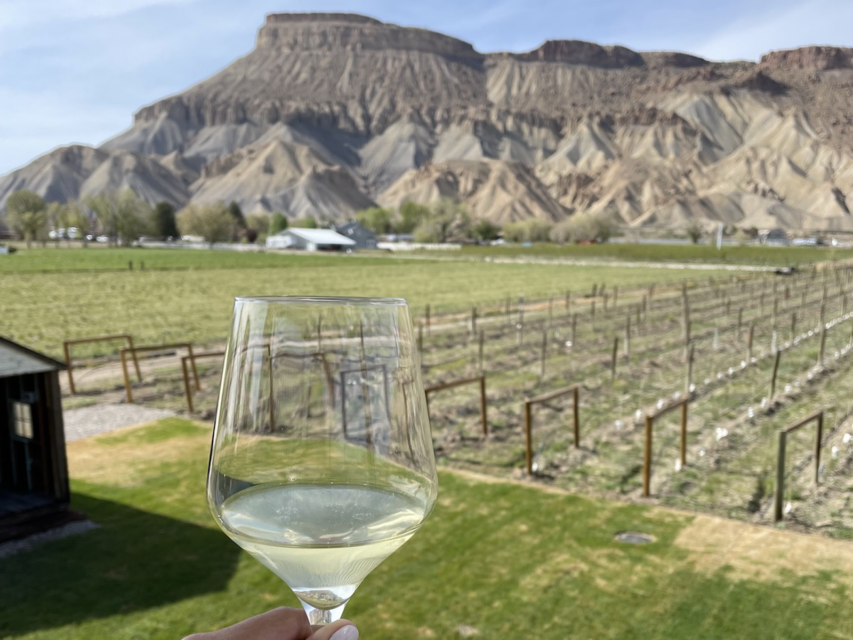
If you love Carboy Winery, you’re not alone. Its Palisade estate vineyard was named as one of the best wine tasting rooms in the country in USA Today’s 10Best Readers’ Choice Awards in 2023, and we think it might just be the prettiest one on the Western Slope. Surrounded by the pink-hued Book Cliffs and with an in-your-face view of 6,765-foot Mt. Garfield, the on-site rooftop patio is the perfect place for sipping Carboy’s Grand Valley–grown vintages. The vineyard is a popular event space, and can be booked for private wine tasting dinners, weddings, bachelorette parties, and other events.
What to Drink: A tasting of five wines here, which is walk-in only for groups of up to six, lets you sample a healthy mix of Carboy’s whites, reds and rosés, but we especially love the sparkling options, like the fruit-forward Grand Premier Blanc De Blanc.
The Ordinary Fellow
- Address: 202 Peach Ave., Palisade
- Summer hours: Sunday–Wednesday, 12–6 p.m.; Thursday–Friday, 12–8:30 p.m.
- Where to try locally: Try pours at Wolf’s Tailor, Potager, Beckon, and the Counter at Odell’s Bagel.
Ben Parsons, who started making wine in Palisade 25 years ago and ran Denver’s Infinite Monkey Theorem from 2008 to 2019, helped put the Western Slope on the wine lover’s map. Since launching The Ordinary Fellow in 2021, he’s become a chef’s favorite too. His vintages can be found at Denver’s Michelin two-starred Wolf’s Tailor, Potager, and the Counter at Odell’s Bagel, as well as Palisade’s Pêche (a Michelin hopeful since the French rating expanded to cover the entire state this year). Bottles of Ordinary Fellow appeal visually too; kaleidoscope-inspired wine labels by Boulder-based designer Moxie Sozo treat each bottle as a modular piece of a larger puzzle. The artwork aligns to reveal hidden images when bottles are placed side by side. It’s a clever nudge that turns casual drinkers into dedicated collectors.
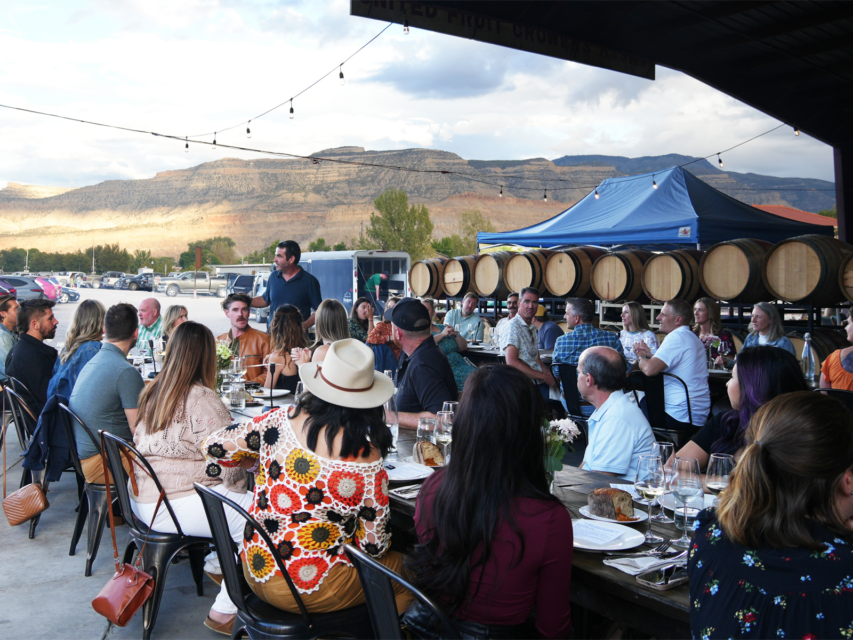
If you’re into Ordinary Fellow, it’s worth stopping by the brand’s rustic Palisade headquarters, which once housed a peach-packing plant. Renovations this year have refreshed the expansive indoor-outdoor space with new furniture, light fixtures, barrel planters, and hanging flowers. Patio games such as corn hole add to the liveliness.
Parsons hasn’t forgotten that wine drinkers like to pair their choices with food. You’ll find the popular Pali Thai truck parked out front every Thursday and a chefs dinner series on the first Friday of every month. During September’s Winefest (the Western Slope’s largest annual festival), Ordinary Fellow will host the second iteration of its Two Nights, Three Chefs dinner series, again with Miles Odell, Justin Freeman, and Justin Brunson (sign up for the newsletter for more information).
What to Drink: The 2024 Riesling made Forbes’ list of top ten Rieslings in the U.S.; you can try it at the Wolf’s Tailor and Beckon if you can’t make it to Palisade. The 2024 Syrah received a 96 from Decanter, the highest score that a Colorado wine has ever been awarded.
Peachfork Orchards & Vineyard

- Address: 281 33 Road, Palisade
- Summer hours: Wednesday–Monday, 12–6 p.m.
- Where to try locally: Bubbles Liquor World in Castle Rock and Banana Belt in Woodland Park
Ask Philip Patton why he and his wife, Susan, started making wine, and he’ll shrug: “Because we had grapes,” he says. It’s a simple answer that tells you everything. Although Peachfork may be a relative newcomer (just 10 years in), the Pattons have been farming this land for over three decades—cultivating grapes, peaches, and whatever else thrives in the Mesa County sun. That farmers-first approach is wonderfully evident, from the homey, down-to-earth digs of Peachfork’s tasting room to the diverse menu of whites, reds, and fruit wines made with estate-grown produce.
The space itself feels like a Pinterest board that actually works in real life: eclectic, colorful, a little mismatched in a way that feels collected rather than styled. Mason jars of fresh flowers, string lights, weekend live music, and a couple who clearly like what they’re doing all add up to the kind of place you linger all afternoon even if you only planned to stop in for a taste. Pro tip: Ask if you can try the peach juice as a mimosa. You’re welcome.
What to Drink: The pear-apple wine is an effortless sipper that Philip calls a “patio pounder that pears well with friends,” but don’t miss out on the 2023 Chambourcin, a rare French-American hybrid varietal that took Double Gold at the 2026 San Francisco Chronicle Wine Competition—a reminder that beneath all that charm, the Pattons take their wine seriously.
Qutori Wines
- Address: 40823 Highway 133, Paonia
- Summer hours: Daily from 12–6 p.m.
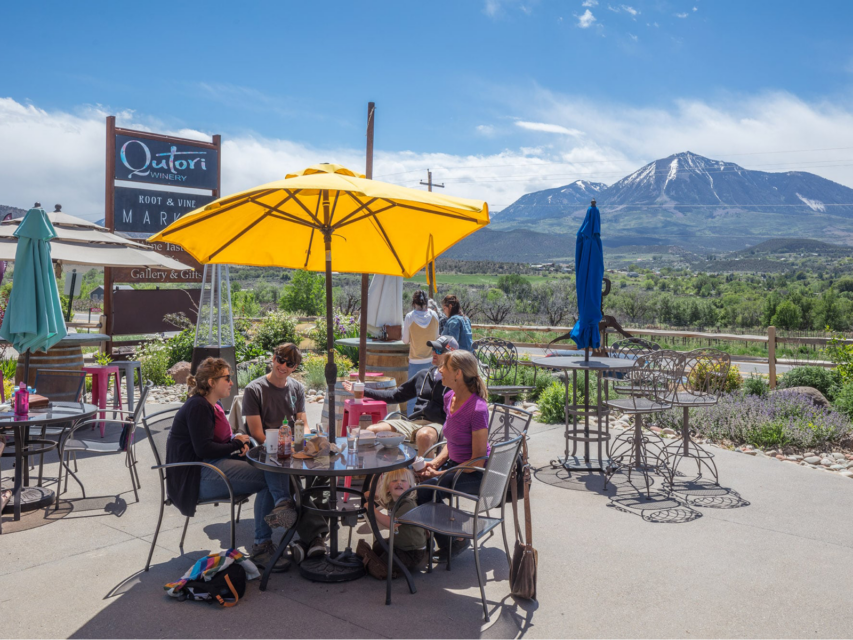
This vineyard is known for its Pinot Noir as well as its Root & Vine Market gift shop and cafe. Owner Julie Bennit is an artist who paints the wine labels herself, and sells the prints, as well as hand-woven African baskets, locally-made jewelry, and blankets sewn from upcycled saris, at the shop. Order dinner from the cafe’s seasonally changing menu to go with your bottle or just a few light snacks to go with your glass. Enjoy it all on a lovely patio overlooking the vineyard with snow-capped mountains in the background.
What to Drink: The 2025 White Pinot Noir is a pale, delicate wine with hints of citrus that’s the refreshing version of its more typical red sibling. Bennet says the Reserve version is made from “the best of the best grapes” fermented for 20 days. It’s only available by the bottle at the tasting room.
Sauvage Spectrum Estate Winery & Vineyard
- Address: 676 38 ¼ Road, Palisade
- Summer hours: Sunday–Thursday, 11 a.m.– 6 p.m.; Friday–Saturday, 11 a.m.–7 p.m.
- Where to try locally: Available at 90-plus Colorado retailers
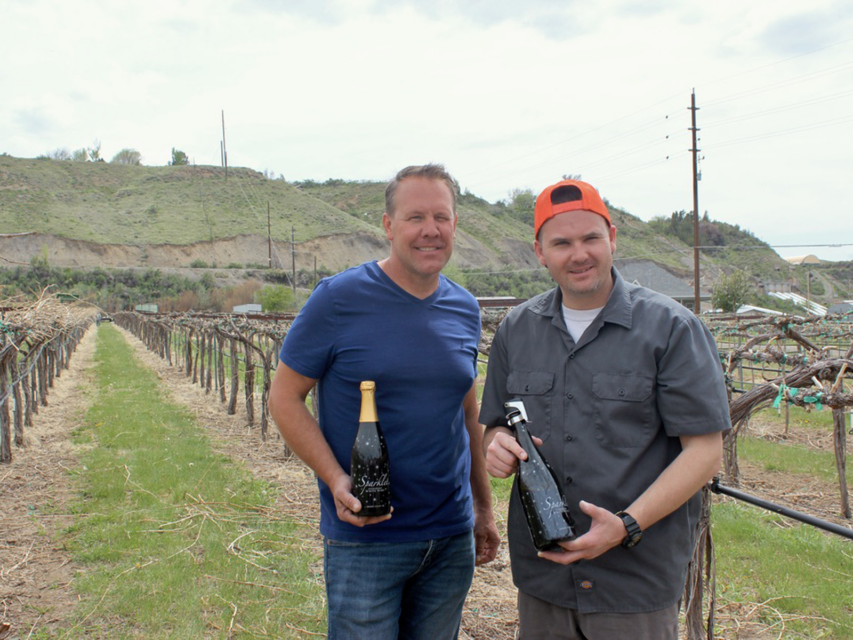
If your approach to tasting is more experimental than prescriptive, head to refreshingly unfussy Sauvage Spectrum, where co-owners Patric Matysiewski and Kaibab Sauvage bring the party. While many Palisade wineries are run by couples and give a charming rocking-chair-on-the wrap-around-porch vibe, these best bros are making wine fun again.
Matysiewski and Sauvage grow all their own grapes, with a taste for lesser-known, experimental varietals, but they don’t take themselves too seriously. A few standouts include a Lambrusco-inspired sparklette and a day-drinking Pétillant Naturel (or Pét-Nat, natural sparkling wine). (I can’t decide if this one hits more like wine or beer, but I do know I want to drink it all summer long.)
What to Drink: Go for the not-too-funky Pet-Nat Skins, which could convert any orange wine naysayer, acidic, aromatic, and structured. Or, if you make it to Sauvage Spectrum’s Palisade tasting room, you owe it to yourself to try a signature bombtail like the Bloody Mary: A frozen ball of mixer is dropped into a glass of sparkling wine, fizzing to become a full-on rave for your taste buds.
The Storm Cellar
- Address: 14139 Runzel Gulch Road, Hotchkiss
- Summer hours: Thursday–Sunday, 12–7 p.m.
- Where to try locally: Mercantile Dining & Provision, Restaurant Olivia, Divino Wine & Spirits, Denver Wine Merchant, and Molly’s Spirits
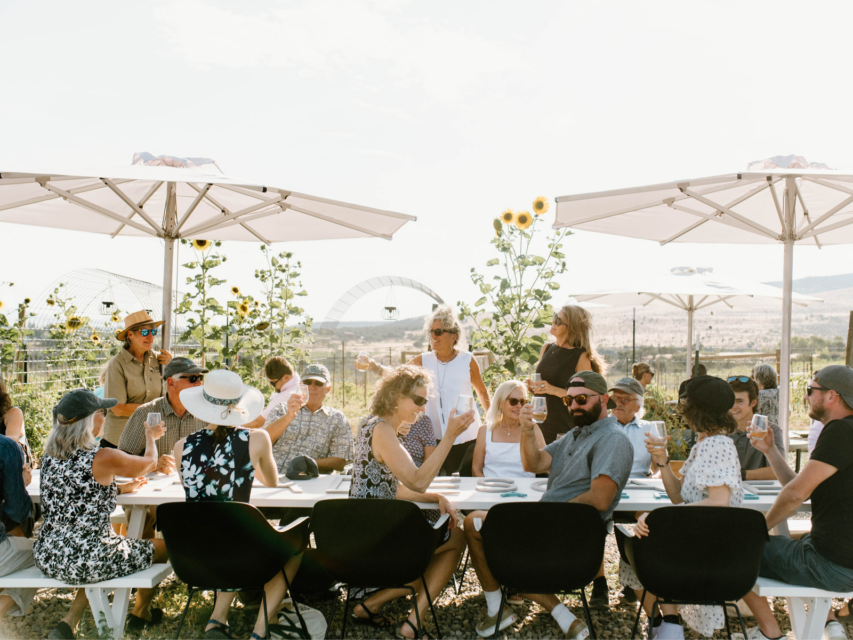
If you make exactly one plan ahead of time, make it a dinner reservation at the Storm Cellar. One of the highest-elevation vineyards in the world, this West Elks AVA producer is known for award-winning whites and rosés—but the real magic happens with a full winery and dinner experience. Owners Steve Steese and Jayme Henderson come from deep hospitality roots and it shows: Every glass arrives exactly when it should, paired with bites that enhance the wines’ flavors. “A dry Riesling is the wedge of lemon that brings a dish together,” Henderson says. Every detail is dialed; even Storm Cellar’s labels are printed vertically up the bottle so that you can read the name as it’s being poured for you.
Friday and Saturday chef-hosted dinners are the best way to take it all in (sign up for the newsletter for more info). Fridays are coastal Italian with chefs Dan and Ana, and Saturdays are made-to-order Neapolitan-style pizza from chef Brandt Bishop of Best Slope Pizza. The Foraged Sisters, a catering duo known for their wild-found ingredients, live fire cooking, and beautiful tablescapes in rustic settings, put on four multi-course European-inspired dinners throughout the summer (May 27, June 24, August 5, and September 23). The spreads are as memorable as the romantic vineyard setting overlooking the verdant Nork Fork farmland and distant West Elk Mountains.
What to Drink: Storm Cellar doesn’t do reds, which sounds limiting but is not; the Rosé of Chambourcin drinks like a red that got smarter about summer—structured, savory, and exactly what you want when it feels too hot for tannins.
Talon Wine Brands
- Address: 3701 G Road, Palisade
- Summer hours: Daily from 10 a.m.–5 p.m.
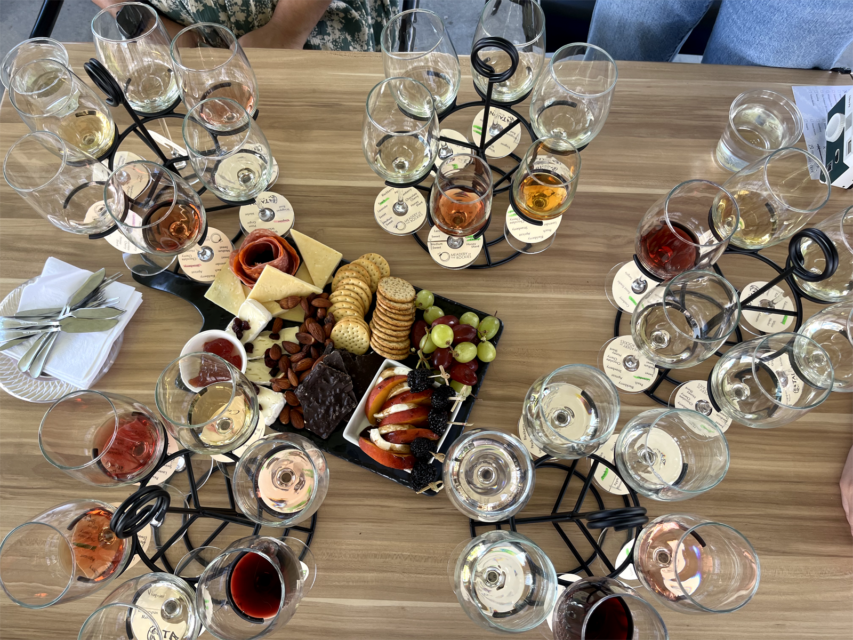
Western Slope wine is still in its infancy compared to the Napas and Sonomas of the world, which mostly just means it hasn’t learned to be self-important yet. There’s a kind of wide-eyed imagination and optimism here, as in: Why shouldn’t mead (wine made from honey, not grapes) have its main-character moment? The Talon Wine Brands brings three labels—Talon Winery’s traditional pours, St. Kathryn Cellars’ fruit wines, and Meadery of the Rockies’ honey elixir—together for one tasting experience with specialty glass holders that let you carry six pours at once, an invitation to lean into odd flavors like peach honey, lavender, and strawberry rhubarb (which took Double Gold at the Colorado Governor’s Cup in 2024). Still, toss in a classic Riesling or Merlot from Talon Wines for good measure—fruit and honey wines aren’t for everyone but we applaud you for trying it.
Talon Wine Brands is owned by Glenn Foster, who people may not be surprised to learn is a passionate falconer, given the winery’s name. Foster employs his eagle eye in sourcing the best grapes from the Grand Valley that go into Talon’s blends like his house Wingspan Red. St. Kathryn’s fruit also comes from local vines whenever possible, though the honey for the meadery is shipped in from California and Florida.
What to Drink: Trust the gastronaut voice in your head that’s nudging you to try the menu’s most unique offering: chocolate cherry honey wine. This is a true dessert wine, with a sweet enough flavor that you won’t be pairing it with extra treats. As for more traditional vino, Talon’s Wingspan Red is their signature Bordeaux blend of Cabernet Franc, Cabernet Sauvignon, and Merlot. Its deep colors, complex aromas, and smooth tannic finish are thanks to 10 plus years in the cellar.